PRODUCT CATEGORIES
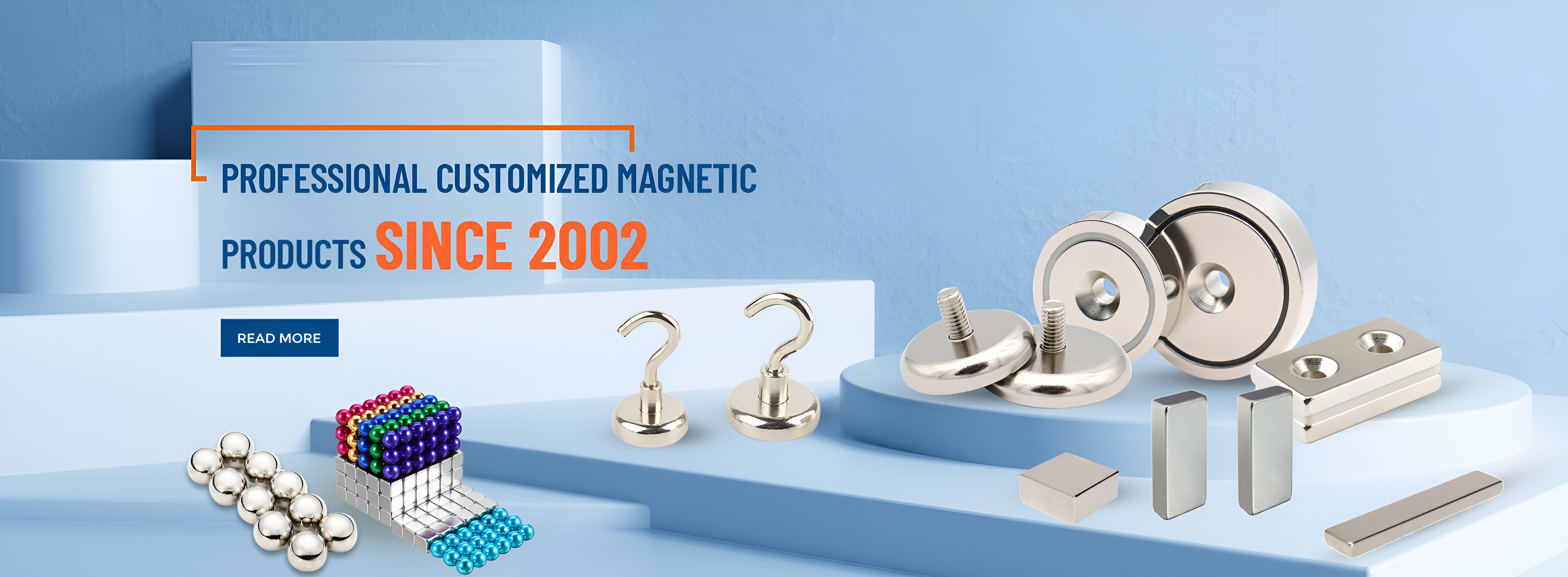
Hefei Super Electronics Co. Ltd---A Professional Permanent Magnets&Magnetic Assemblies Manufacturer since 2002.
View all CATEGORIES

About us

Hefei Super Electronics Co. Ltd engaged in permanent magnets area since 2002,which is over 20 years

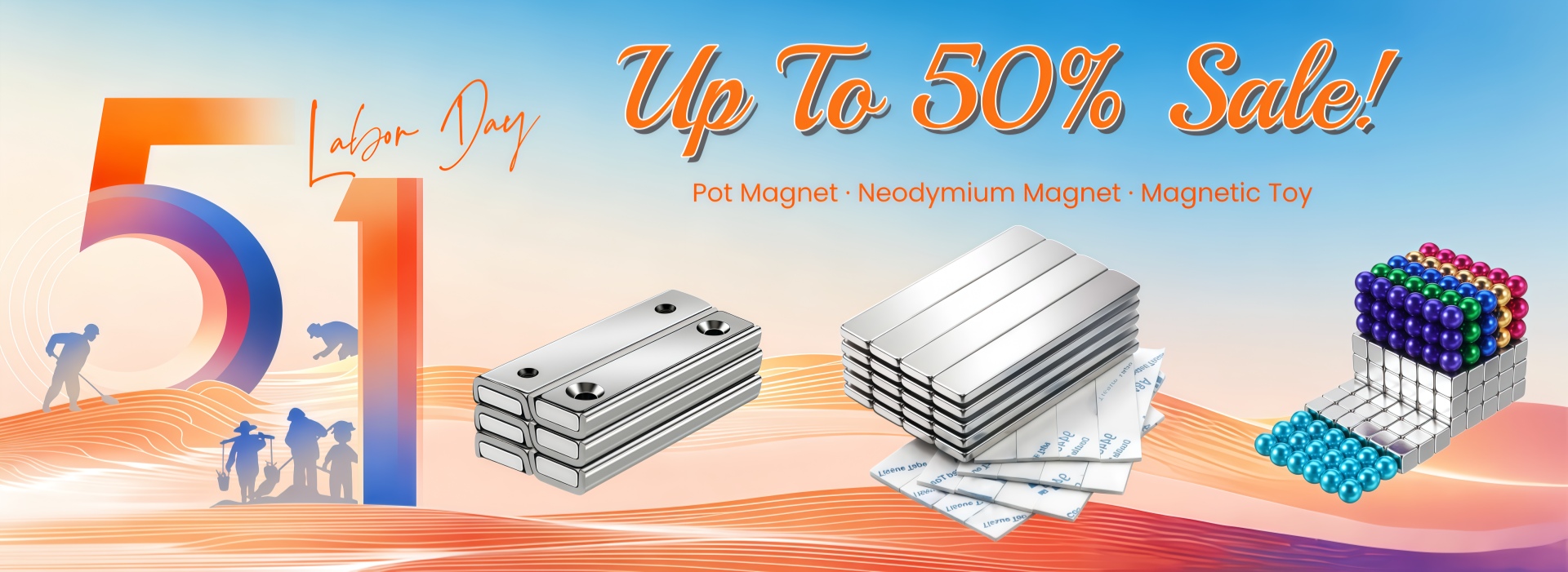
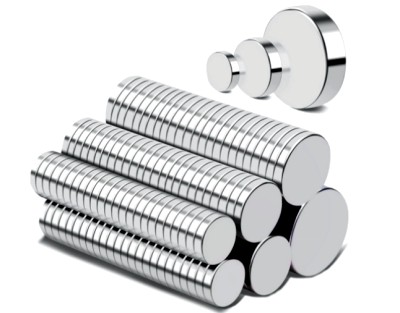
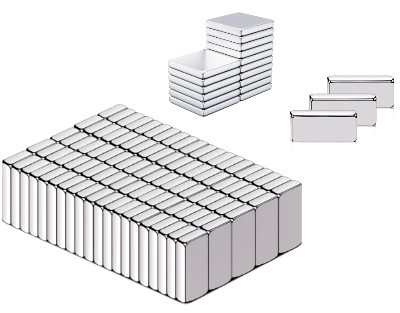
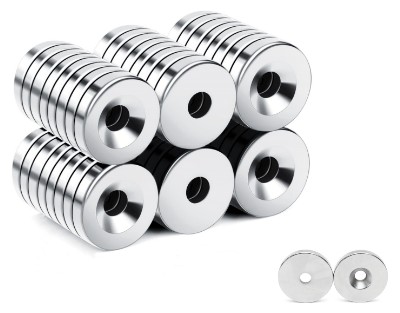
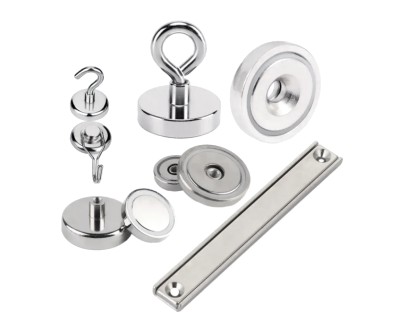
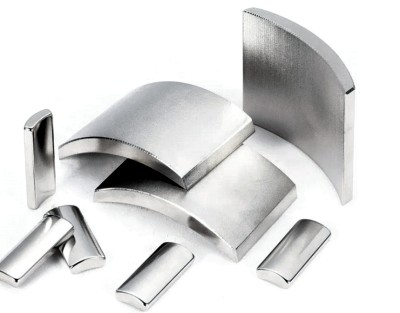
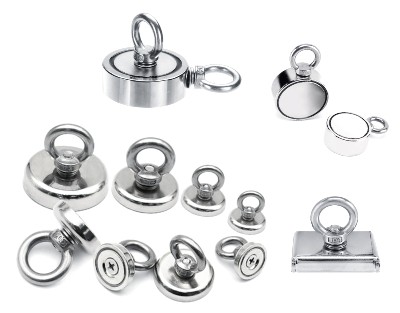
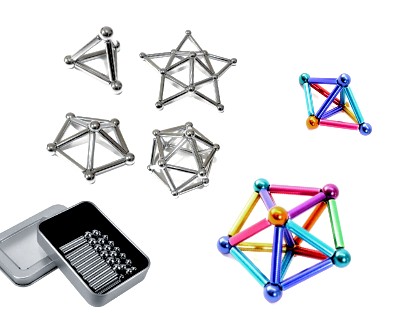
Our company is specialized in manufacturing various types of magnetic materials and magnetic products.The main products are Neodymium magnets, Rubber magnets,Ferrite magnets,Magnetic toys,Fishing magnets and so on .

We always make great efforts to achieve this win-win situation and sincerely welcome you to cooperate with us  and expect your inquiry!

  • 100
    0+

    EMPLOYES

  • 100
    0+

    COUNTRIES

  • 8000
    0

    square meter

Read More
Our certificate
  • 100% Customer Satisfaction
  • 300+ customers all over the world
  • Technical support
Read More
Hot products
Customized sizes and shapes ,Competive price, Fast shipping and Best Quality
Latest news
We will not only update our company daily news but also event notices.
2026 Spring Festival Holiday Notice

Dear Customers,   As the Spring Festival approaches, we would like to inform you of our upcoming holiday schedule and its potential impact on production and shipment arrangements. Our factory will be closed from February 9th to February 24th, with a total holiday period of 15 days. During this time, production operations will be temporarily suspended. Normal manufacturing activities will resume immediately after the holiday.   Due to the extended shutdown, orders confirmed shortly before or during the holiday period will be scheduled for production after February 24th. This may result in longer overall lead times compared to regular production cycles. We therefore recommend reviewing your purchasing plans in advance to avoid unnecessary delays.   Orders placed and confirmed before the holiday will be prioritized and arranged for production ahead of the shutdown whenever possible. Early confirmation allows better scheduling, stable raw material allocation, and smoother shipment planning before the break.   In addition, we would like to highlight that the price of neodymium magnets raw materials has been rising rapidly in recent weeks. The volatility in material costs has created uncertainty in the market. Confirming orders earlier not only helps secure production capacity before the holiday but may also assist in locking in more favorable pricing under current market conditions. Although our factory will be closed during the holiday period, our international sales team will remain online and accessible. We will continue to respond to inquiries, provide quotations, and discuss new projects throughout the holiday. Production scheduling and shipping arrangements will resume in full once operations restart.   We sincerely appreciate your understanding and continued cooperation. Should you have upcoming projects, replenishment needs, or inventory planning requirements, we encourage you to contact us as soon as possible to ensure a smooth transition through the holiday period.   Thank you for your continued trust and support. We look forward to serving you in the coming months.   Best regards, Super Electronics,. Ltd.

Jan 30, 2026
Read More
The Role of Standardization in Global Rare Earth Magnet Trade

     In today's increasingly interconnected global market, standardization has become a key factor in facilitating the trade of rare earth magnets, including neodymium (NdFeB) products. Standardization plays a crucial role in ensuring consistency in quality, interoperability, safety compliance, and market transparency. With the continued growth in demand for high performance permanent magnets across industries, the development and application of international standards help streamline trade processes, reduce trade barriers, and build trust between manufacturers and international buyers.          One of the main advantages of standardization is quality assurance. Rare earth magnets are widely used in precision fields such as automotive motors, industrial automation equipment, and consumer electronics. International standards define benchmark requirements for magnetic properties, dimensional tolerances, coercivity, and temperature performance. These benchmarks allow buyers to compare products from different regions on a common basis, thereby reducing uncertainty and enhancing confidence in cross-border sourcing.          Standardized testing methods are equally essential for achieving consistency in magnet performance evaluation. For example, internationally recognized testing procedures for tensile strength, flux density, and temperature stability ensure that measurement results are reliably repeatable regardless of the testing laboratory or geographical location. This consistency simplifies quality verification and reduces disputes related to product acceptance during inspection or certification processes.          Beyond product specifications and testing, standardization also impacts regulatory compliance and safety. Many industries require magnets to meet specific safety standards, especially when used in consumer products or equipment in hazardous environments. By adhering to recognized standards, neodymium magnets manufacturers and importers can more effectively demonstrate compliance with regulatory frameworks, facilitating smoother customs clearance and market access.          In addition to technical standards, industry classification systems (such as the Harmonized Commodity Code (HS Code)) play a complementary role in global magnet trade. Harmonized systems standardize how products are classified in international tariffs and trade declarations. Clear and consistent classifications facilitate accurate tariff calculations, statistical analysis, and comparison of trade data, benefiting both importers and exporters.          Standardization also helps promote innovation and interoperability. As new magnetic materials and manufacturing technologies emerge, updated standards encourage the adoption of more advanced performance standards while maintaining compatibility with existing systems. This ensures that technological advancements do not lead to market fragmentation but rather contribute to building a more unified global supply chain.          In summary, standardization has laid a crucial foundation for the global rare earth magnet trade by improving quality consistency, simplifying testing and compliance processes, enhancing market transparency, and fostering innovation. As international demand for rare earth magnets continues to grow, adhering to evolving standards will remain a key strategy for companies to compete effectively in the global market.

Feb 10, 2026
Read More
How to Clearly Communicate NdFeB Magnet Requirements?

     Clear and accurate communication is fundamental to all successful NdFeB magnet projects. In industrial applications, even minor misunderstandings of specifications can lead to performance issues, production delays, or unnecessary cost increases. From a professional ndfeb magnet manufacturing perspective, accurately defining technical requirements early in the project ensures efficiency, consistent quality, and predictable results.          The most important and critical element is the magnet grade. NdFeB magnets come in various grades, such as N35, N42, N52, and high-temperature series like N42SH or N35UH. Each grade reflects its inherent characteristics, including remanence, coercivity, and maximum operating temperature. Simply requiring a "strong magnet" is insufficient. The required magnetic strength, operating ambient temperature, and safety margins should all be clearly specified.          Dimensions and tolerances are equally important. Length, width, thickness, outer diameter, inner diameter (for toroidal magnets), and chamfers must be clearly defined in millimeters or inches. Tolerances are equally crucial. Excessively small tolerances increase machining time and cost, while excessively large tolerances negatively impact assembly performance. Setting functional tolerances based on actual assembly requirements helps strike a balance between accuracy and budget.          Magnetization direction is another often overlooked critical parameter. Axially magnetized NdFeB magnets are the most common choice for general applications. Radial and multi-pole magnetization can also be customized when specific magnetic field orientations are required. The correct magnetization direction directly determines how the magnet interacts with adjacent components. Providing drawings or application diagrams can prevent costly errors.          The choice of surface coating should also be based on the working environment. Common coatings include nickel-copper-nickel coatings, epoxy coatings, zinc coatings, and special corrosion-resistant coatings. For humid, outdoor, or marine environments, enhanced corrosion resistance may be required. Mechanical requirements, such as adhesive or press-fit mounting, will further influence coating selection.          The working environment conditions must be clearly described. Maximum operating temperature, vibration, humidity, mechanical stress, and ambient magnetic fields all affect the long-term performance of NdFeB magnets. NdFeB magnets are strong but brittle; mechanical shock can cause them to crack. If the magnet will be embedded in magnetic components or used in conjunction with a steel housing, relevant information should be provided.          Testing and verification standards are another crucial aspect of communication. Clearly defined tensile strength requirements, magnetic flux density targets, testing methods, and sampling criteria help ensure consistency throughout the production and quality control process. Finally, providing detailed technical drawings, 3D files, or application specifications can significantly improve efficiency. Clear documentation reduces iterative communication and shortens development cycles.          Effective communication of customized NdFeB magnet requirements is not about arbitrarily listing parameters, but about defining performance targets, environmental conditions, dimensional accuracy, and verification standards in a structured manner. If all requirements are fully understood early in the project, the production process will be smoother, costs will be effectively controlled, and magnet performance will consistently meet expectations.

Jan 23, 2026
Read More
Reducing Material Waste in NdFeB Magnet Production

     The rapid rise in rare earth raw material prices has put increasing pressure on the NdFeB magnet industry. With the continued increase in raw material costs, manufacturers are placing greater emphasis on production efficiency, especially reducing material waste throughout the production process. For suppliers and buyers, reducing waste is no longer just an environmental issue, but a key factor in controlling costs and ensuring a stable supply.          The production of NdFeB magnets involves multiple stages, including powder preparation, pressing, sintering, machining, and surface coating. Among these steps, material loss most frequently occurs in the machining stage, where magnets are cut or ground to precise dimensions. Excessive machining allowances or poor process control can lead to significant waste of high-value magnetic materials.          To cope with rising raw material prices, many manufacturers are optimizing near-net-shape production technologies. By improving pressing precision and mold design, custom produced neodymium magnets can ultimately achieve closer dimensions, thereby reducing the amount of material that needs to be removed during machining. This not only reduces waste but also shortens processing time and improves overall efficiency.          Another important method is the recycling and reprocessing of magnetic waste. Production waste, grinding residues, and discarded parts can be collected and reused through a controlled recycling process. While recycled materials must meet stringent quality requirements, effective reuse reduces reliance on virgin rare earth materials and helps stabilize production costs during market fluctuations.          Process automation also plays a crucial role in reducing waste. Advanced CNC machining, automated inspection systems, and real-time quality monitoring help maintain tighter tolerances and reduce scrap due to errors. By improving batch-to-batch consistency, professional rare earth magnet manufacturers can achieve higher material utilization and more predictable output.          From the buyer's perspective, reducing waste directly impacts prices and delivery times. Suppliers who control material waste are better able to offer stable prices even when raw material costs rise rapidly. Furthermore, efficient material utilization contributes to more reliable production planning, which is especially important during peak seasons or supply chain disruptions.          Due to the continuous fluctuations in raw material prices, reducing material waste has become a strategic priority for the NdFeB magnet industry. Through improved design, optimized processing techniques, and responsible recycling, manufacturers can maintain product quality while effectively controlling costs. For customers, partnering with suppliers who focus on efficient material utilization can bring long-term benefits in terms of cost control and supply reliability.

Jan 16, 2026
Read More
How Inventory Strategy Impacts Neodymium Magnet Procurement Costs?

     Inventory strategy plays a crucial role in controlling the procurement costs of neodymium magnets, especially when sourcing from overseas suppliers. For buyers who rely on a stable supply, predictable pricing, and on-time delivery, planning inventory in advance is often more cost-effective than placing urgent orders.          One of the most overlooked cost drivers in magnet procurement is time. The process of producing neodymium magnets involves multiple steps, including sintering, machining, coating, and quality inspection. With sufficient lead time, factories can efficiently schedule production, optimize material usage, and offer more competitive pricing. Conversely, last-minute orders often result in higher unit costs due to expedited production, limited raw material availability, or priority scheduling fees.          This is particularly important as the Chinese New Year approaches. During this period, many magnet manufacturers cease production for at least nine days, and in some cases, the shutdown may be longer due to extended holidays or delays in workers returning to work. Before the holiday, factories typically experience a surge in orders, which can lead to extended lead times, reduced customization flexibility, and strained capacity.          From a cost perspective, buyers who finalize their procurement plans before the holiday can reap several benefits. First, Ndfeb magnet raw material prices are usually more stable, while prices may fluctuate after the holiday due to supply chain disruptions or increased demand. Second, booking production slots in advance helps avoid congestion and reduces the risk of delays that could impact downstream projects or sales plans.          Inventory planning also impacts logistics costs. Placing orders in advance allows for better shipping options, whether by sea or air, helping buyers avoid additional freight charges incurred due to urgent situations. This is especially important for international buyers, as shipping delays during the holiday period can extend overall delivery times by several weeks.          For magnet buyers in industries such as industrial manufacturing, packaging, consumer electronics, or magnetic components, a proactive inventory strategy ensures continuity of supply while controlling procurement costs. Instead of reacting to shortages, anticipating demand and coordinating with suppliers in advance of major production disruptions leads to long-term cost savings and operational stability.          As a rare earth magnet supplier, we encourage our customers to review their Q1 inventory needs early and communicate upcoming requirements before the Chinese New Year. Strategic planning not only secures pricing and delivery times but also strengthens supplier partnerships and supply chain resilience. Advance preparation remains one of the simplest and most effective ways to reduce magnet procurement costs and ensure a reliable supply.

Jan 07, 2026
Read More
US Import Guidelines for Neodymium Rare Earth Magnets

     As a professional manufacturer and exporter of neodymium magnets, we understand that U.S. import compliance is crucial to our clients. Neodymium magnets, also known as rare earth magnets, are widely used in industries such as industrial, energy, electronics, and consumer goods. Compliance with U.S. regulations is not only a legal requirement but also key to building long-term, reliable partnerships.     Accurate Customs Classification      From a supplier's perspective, correct customs classification is fundamental to smooth clearance. Neodymium magnets are typically declared under HTS code 8505, which covers permanent magnets and related products. We ensure that all shipment descriptions and classifications are accurate to help our clients avoid unnecessary inspections, delays, or reclassifications by U.S. Customs and Border Protection (CBP).     Understanding U.S. Safety Requirements      For neodymium magnets used in consumer products or toys, we actively support compliance with key U.S. safety regulations, including ASTM F963 and 16 CFR Part 1262. These standards aim to reduce the risk of accidental ingestion of small powerful magnets. Where necessary, we collaborate with accredited testing laboratories and provide relevant test reports to meet our clients' import and product compliance requirements.     Complete and Transparent Documentation      Complete documentation is crucial for importing into the United States. As a supplier, we prepare clear and consistent export documents, including commercial invoices, packing lists, and shipping documents. Product descriptions typically specify magnet grade, coating type, dimensions, and intended use, enabling U.S. importers to efficiently meet documentation and record-keeping requirements.     Shipping and Packaging Compliance      Due to the strong magnetism of neodymium magnets, extra care is required during transportation, especially during neodymium magnets air shipping. We implement appropriate magnetic shielding measures and conduct magnetic field testing as required by airlines and the International Air Transport Association (IATA). This helps ensure that goods are delivered safely and smoothly to the carrier.     Trade and Regulatory Awareness      While neodymium magnets are not currently completely banned from import into the United States, they may be subject to trade policies, tariffs, or future environmental regulations related to rare earth materials. As experienced exporters, we closely monitor regulatory developments and proactively communicate relevant information to our clients.     Conclusion      As a neodymium magnet supplier, we believe that compliance with U.S. import regulations is a shared responsibility. By ensuring accurate classification, reliable compliance, complete documentation, and compliant shipping processes, we help our clients reduce risk and maintain a stable and compliant supply chain for the U.S. market.

Dec 26, 2025
Read More

leave a message

leave a message
If you are interested in our products and want to know more details,please leave a message here,we will reply you as soon as we can.
Send

Home

products

whatsApp

contact

Need Help? Chat with us

Start a Conversation

Hi! Click one of our members below to chat on